years
years


Airflow Shapes Comfort From the First Step In
What makes a place memorable is not only the sight they see, but also the comfort they experience: airflow.
Today, people naturally expect indoor spaces to feel fresh, comfortable, and well-ventilated the moment they walk in. Whether it is an office, shopping mall, hospital, restaurant, or hotel, indoor air quietly shapes that first impression.
A space with poor indoor air quality can be felt within seconds. On the other hand, a well-managed environment feels comfortable without people even noticing why.
That single experience often determines whether people feel comfortable staying, returning, or never wanting to come back again.
This is why airflow management has become an essential part of modern building design. Not just for comfort, but for the overall experience, safety, and performance of a space.
Why Airflow Matters

Many people assume comfort simply means more air conditioning.
In reality, feeling comfortable is about how air moves, circulates, and refreshes a space. A room can feel cold but still experience discomfort if the air becomes stagnant or poorly ventilated.
Good airflow does more than just keep a room cool.
It helps:
- Improve indoor comfort
- Reduce stale or trapped air
- Support cleaner indoor environments
- Control temperature and humidity
- Protect equipment and sensitive processes
- Create safer spaces for people to work and live
Whether people realise it or not, this one factor affects how buildings perform every single day.
Where Does One Experience Good Airflow?
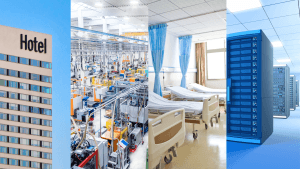
Commercial Buildings
In offices, shopping malls, restaurants, and schools, airflow helps maintain comfort for large numbers of people. Proper ventilation keeps spaces feeling fresh, balanced, and welcoming.
Industrial Facilities
Factories and manufacturing plants rely on airflow to remove heat, dust, and airborne contaminants while supporting safer working conditions.
Healthcare and Laboratories
Hospitals and laboratories require carefully controlled airflow to support cleaner environments and reduce contamination risks in sensitive areas.
Data Centres
Even the digital world depends on indoor air. Servers in data centres generate constant heat, and without proper cooling airflow, critical systems can fail.
The Air Around Us Matters

People spend most of their time indoors, often without realising how much indoor air affects comfort, wellbeing, and productivity.
When airflow is designed properly, people rarely notice it and that is usually a sign that it is working well.
From commercial buildings to critical industrial environments, airflow quietly supports the spaces people depend on every day.
Because sometimes, the most important systems are the ones you never see.
Read More: Inside the World of Cleanrooms: What They Are and Why They Matter