years
yearsBlog
What Is a HEPA Filter?

What Is a HEPA Filter?
A HEPA filter is a high-performance air filter designed to remove extremely small particles from the air. While many air filters help keep dust out of equipment and ventilation systems, HEPA filters are designed with a much higher level of air cleanliness in mind.
You can think of air filters as different levels of sieves. Some are designed to catch only larger particles that you can easily see, while HEPA filters are designed to achieve a much higher standard of air purification.
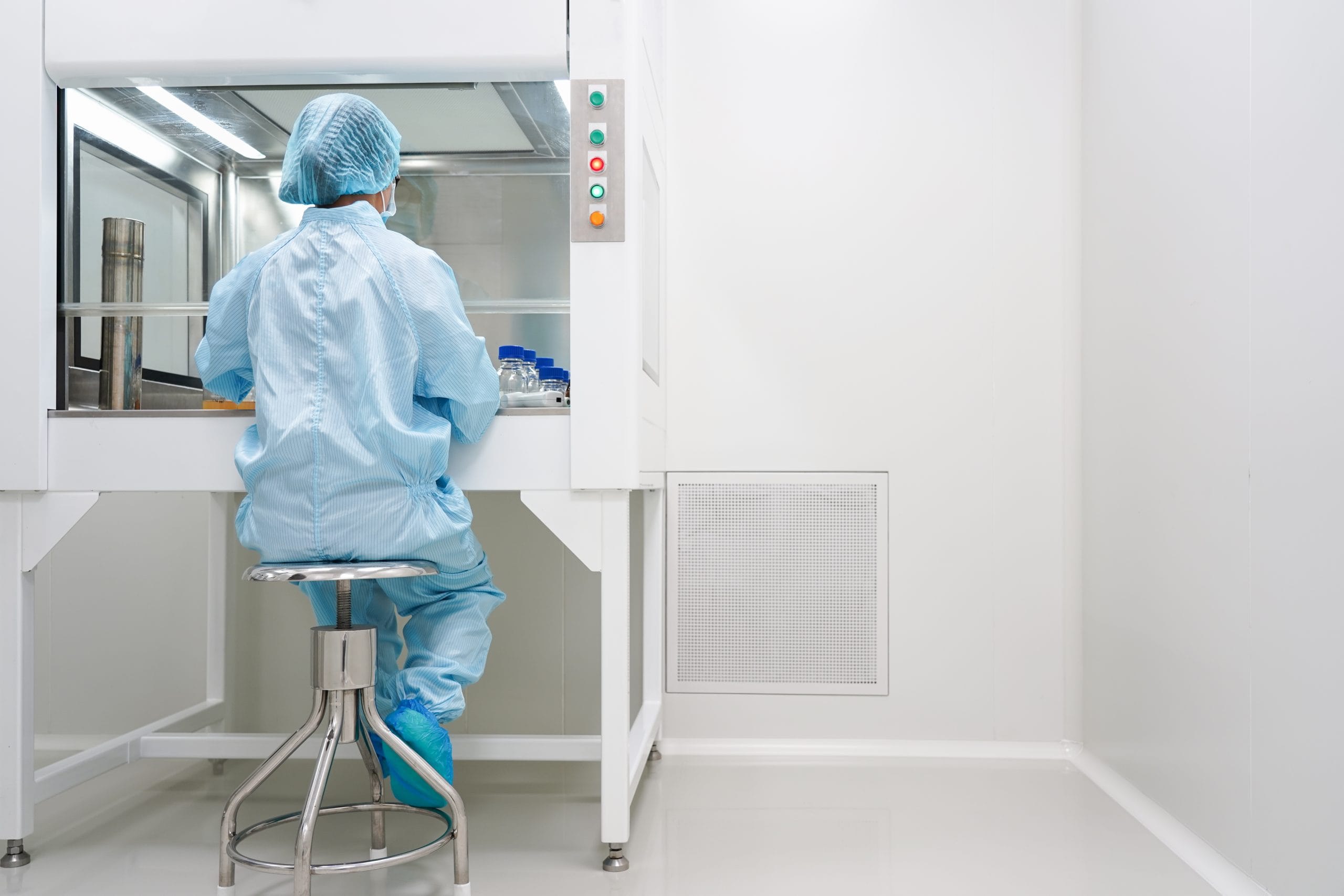
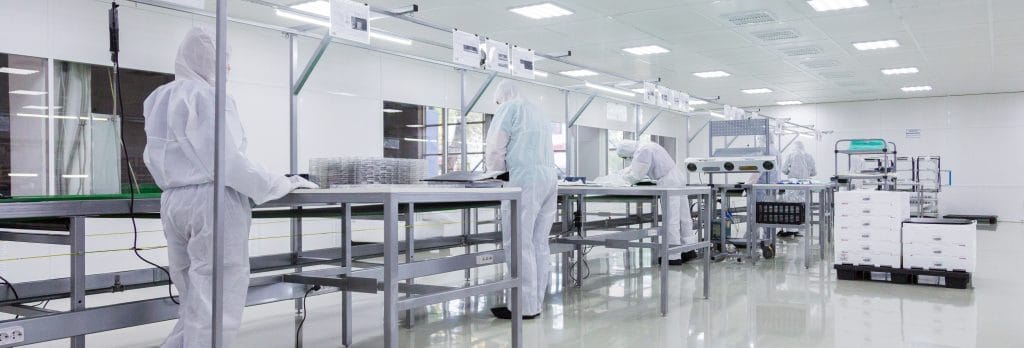
Because of their ability to deliver exceptionally clean air, HEPA filters are commonly used in places where air quality is critical, such as hospitals, pharmaceutical facilities, laboratories, electronics manufacturing plants, and increasingly in homes and commercial buildings.
How Are HEPA Filters Different from Standard Air Filters?
The biggest difference is the level of cleanliness they can achieve.
A standard air filter is often designed to remove larger airborne contaminants such as visible dust, lint, hair, and other common particles. These filters help improve indoor air quality and protect heating, ventilation, and air conditioning (HVAC) equipment.
HEPA filters go much further. They are built to meet strict performance standards and are capable of removing a significantly higher percentage of airborne particles. This makes them suitable for environments where cleaner air is required to protect people, sensitive products, or critical processes.
In simple terms:
- Standard filters help keep the air cleaner.
- HEPA filters help make the air exceptionally clean.
Why Does This Matter?

Air contains far more than what we can see.
Every day, people are exposed to a mixture of airborne particles from outdoor pollution, dust, smoke, pollen, and everyday human activities. Even in spaces that appear spotless, microscopic particles can still be present in the air.
The cleaner the air, the lower the amount of these airborne contaminants circulating indoors.
This is why HEPA filtration is often chosen in environments where air quality directly affects health, comfort, product quality, or operational reliability.
Where Might You Encounter HEPA Filters?
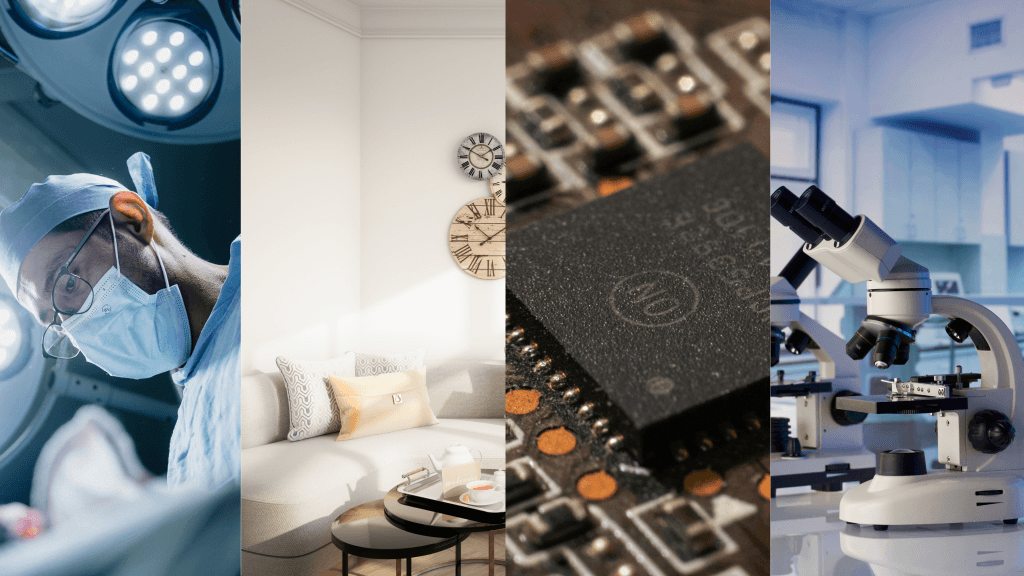
Many people interact with HEPA filtration without realizing it.
HEPA filters are commonly found in:
- Hospitals and healthcare facilities
- Air purifiers for homes and offices
- Pharmaceutical manufacturing plants
- Semiconductor and electronics production facilities
- Cleanrooms and laboratories
- Certain aircraft cabin filtration systems
In these environments, cleaner air helps create safer, healthier, and more controlled conditions.
The Bottom Line
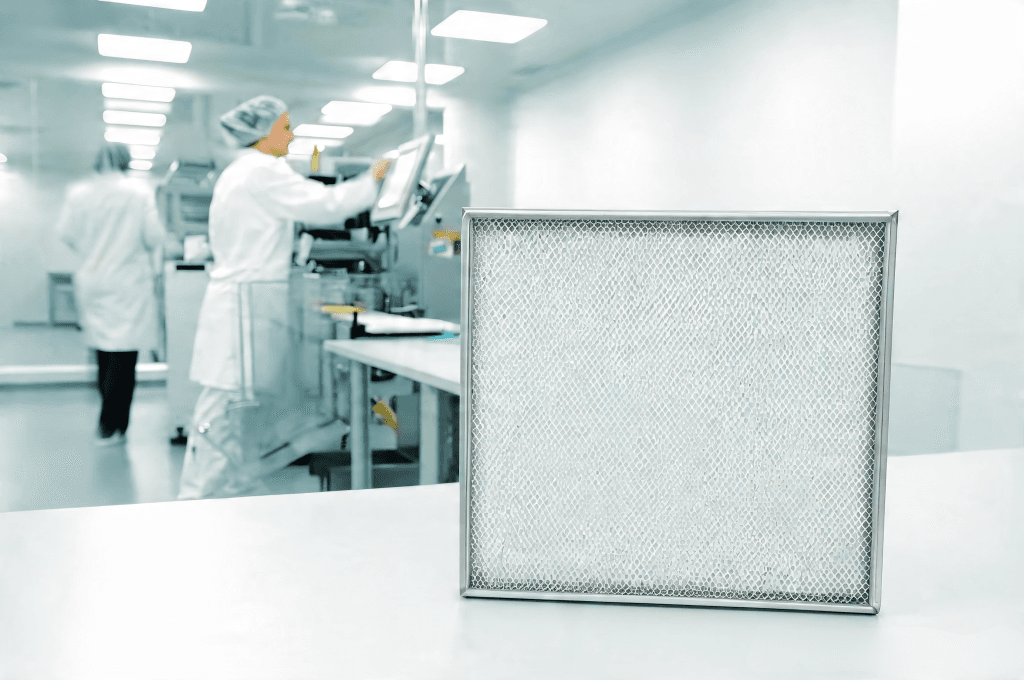
Not all air filters are created equal.
Standard filters play an important role in improving indoor air quality and protecting HVAC systems, but HEPA filters are designed for situations where a much higher level of air cleanliness is required.
That is why HEPA filters are trusted in some of the world’s most demanding environments—from hospitals and laboratories to advanced manufacturing facilities and residential air purifiers.
At the end of the day, HEPA filtration is about one simple goal: providing cleaner air to help protect people, processes, and equipment.