years
years

The Importance of Kitchen Air Quality in Today’s Cooking Spaces
When you think about kitchen air, what comes to mind first? Steam from boiling water? The smell of fried food? A smoky pan that sets off the alarm?
These are everyday moments at home, but what happens when you scale that kitchen up to a restaurant or an industrial facility preparing thousands of meals a day?
The truth is, whether we’re cooking for a family or feeding an entire city, every kitchen faces one common challenge: maintaining clean, safe air quality. So what changes and what stays the same, as kitchens grow bigger and busier?
Why Does Kitchen Air Quality Matter So Much?

Cooking releases more into the air than most people realise. Heat, smoke, oil vapours, odours, and even combustion gases move quickly around a kitchen space. In small amounts, they’re manageable. But what happens when cooking becomes continuous, equipment grows larger, or multiple processes run at once?
Poor air quality can affect staff health, damage equipment, increase fire risks, and even influence how food tastes and smells. It’s not just an operational concern, it’s a core part of kitchen safety and hygiene.
So, how does this differ across the three kitchen types we encounter most?
Also Read: Take A Fresh Breather, 5 Surprising Benefits of Getting Fresh Air
How Different Are Home, Commercial, and Industrial Kitchens?
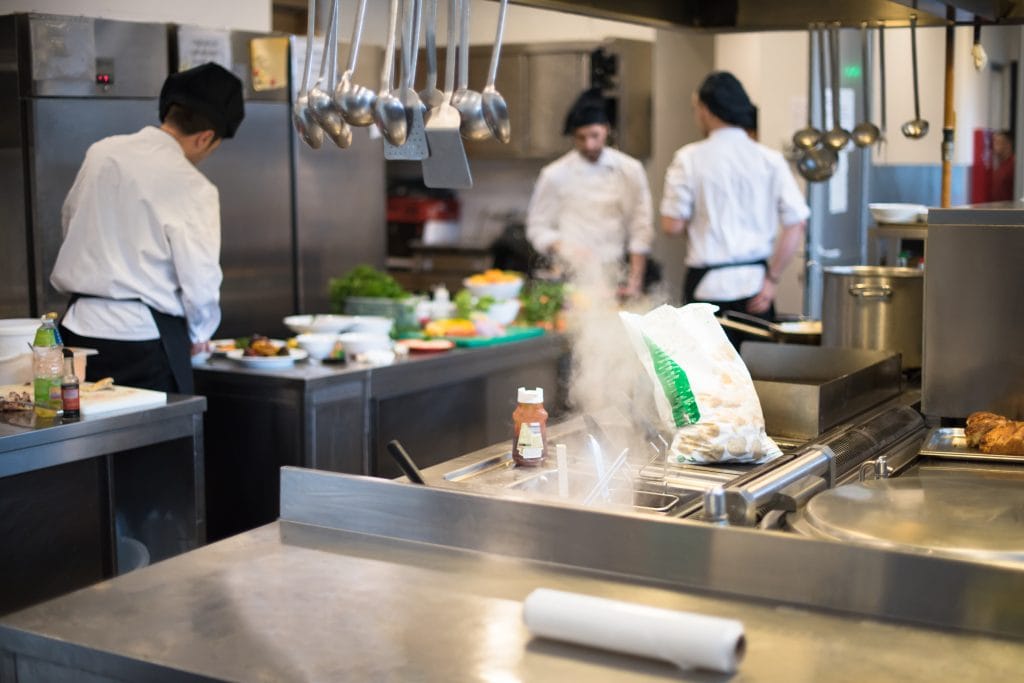
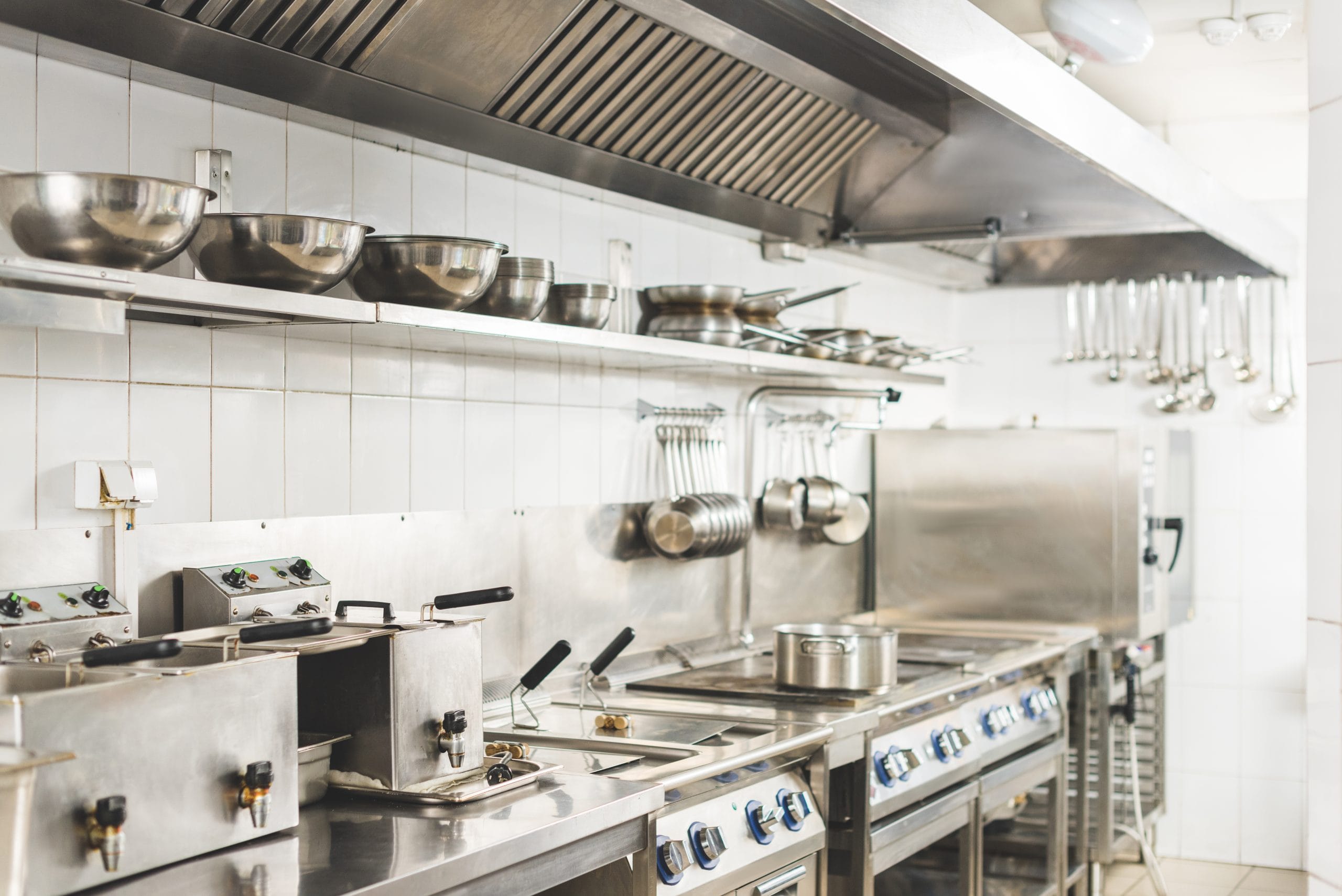
If you’ve only ever cooked at home, picture what it’s like during a busy dinner rush. Now imagine that level of activity happening for hours, with multiple burners on, ovens running nonstop, and staff working shoulder-to-shoulder. That’s the reality for commercial kitchens.
Restaurants and hotels deal with higher heat, stronger odours, and more complex air ventilation needs than home kitchens. They must keep both staff areas and customer spaces comfortable, which makes air movement and filtration much more important.
Industrial kitchens take this even further. These facilities run heavy-duty machinery, long operating hours, and large-scale cooking processes. With bigger volumes come higher emissions and much stricter requirements for air quality control.
So the question becomes: how do we keep the air clean when kitchens are operating at this scale?
How Do Kitchens Keep Their Air Safe and Comfortable?
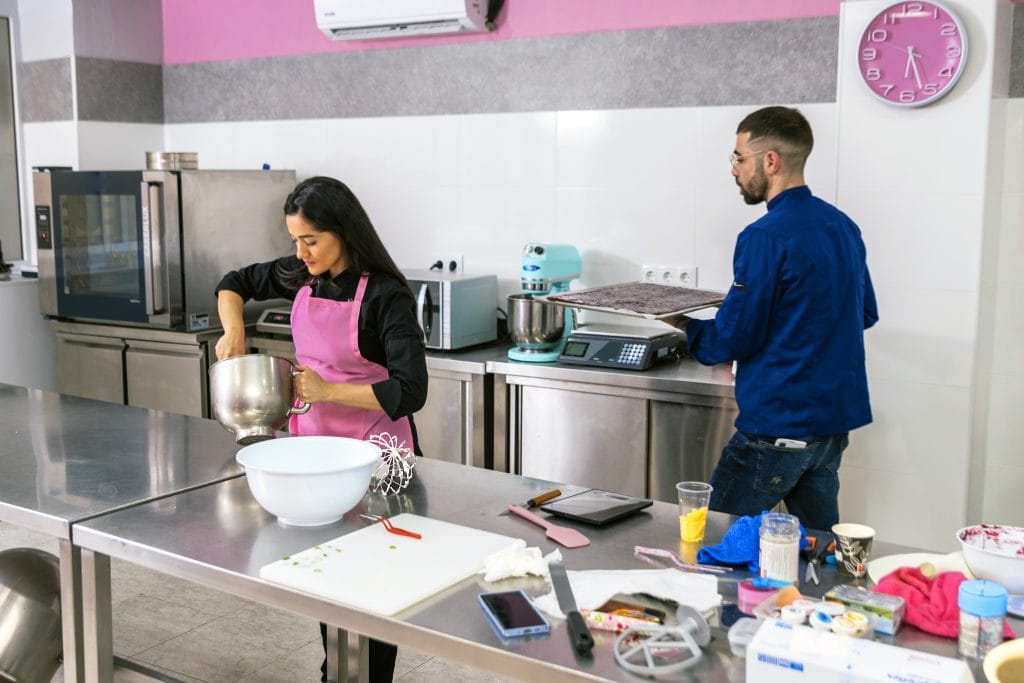
No matter the kitchen size, maintaining clean air depends on a balanced mix of ventilation, filtration, and regular upkeep. In busier commercial and industrial kitchens, higher volumes of grease, smoke, and odour often require more advanced approaches than what traditional exhaust systems can manage alone. One commonly used method is Electrostatic Precipitator (ESP) technology, which helps capture fine grease particles and smoke before they travel through the ductwork, supporting cleaner operations and reducing fire risks.
Routine cleaning and maintenance also make a noticeable difference. Grease buildup on filters, hoods, and duct surfaces can reduce airflow efficiency and intensify odours over time. Regular cleaning not only improves air movement but also lowers fire risks and extends the lifespan of ventilation equipment.
When combined with proper ventilation and filtration, these practical measures support cleaner, healthier air in kitchens of any size.
The Takeaway

Kitchens may differ in scale, design, and purpose, but clean air is essential in all of them. Home kitchens prioritise comfort, commercial kitchens protect both culinary teams and diners, and industrial kitchens rely on rigorous ventilation strategies to support large-scale production.
Want to stay informed about the latest insights in HVAC, air quality, and clean air technologies? Subscribe to our newsletter for monthly updates, expert perspectives, and industry news. Delivered straight to your inbox.
Read More: Why Are HEPA Filters Considered as Medical Grade Filters?