years
years

What Is in Haze? More Than Just a Blurry Sky
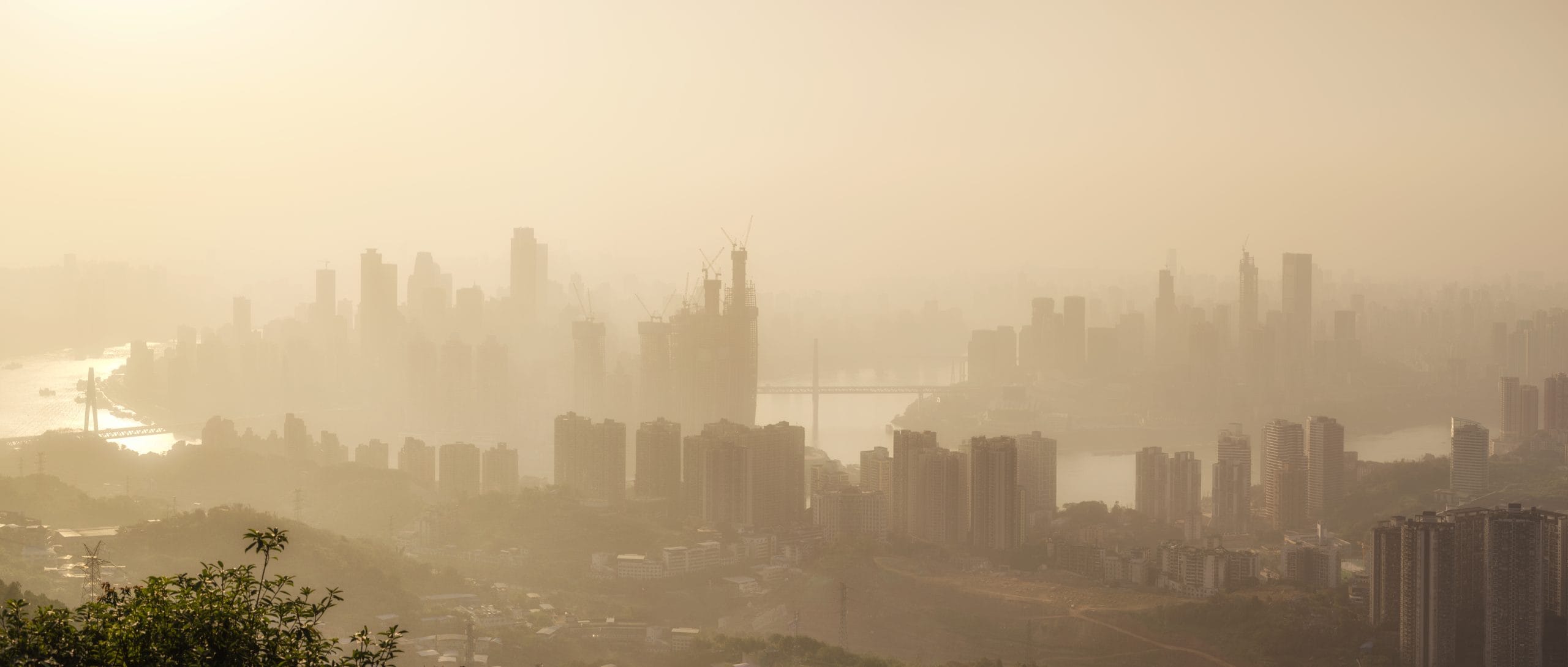
When haze arrives, the first thing we notice is the sky.
The horizon becomes blurry. Buildings appear further away. The air may smell smoky, and outdoor visibility begins to deteriorate.
But haze is more than what we can see, and it hurts you more than your vision.
What Is Haze?
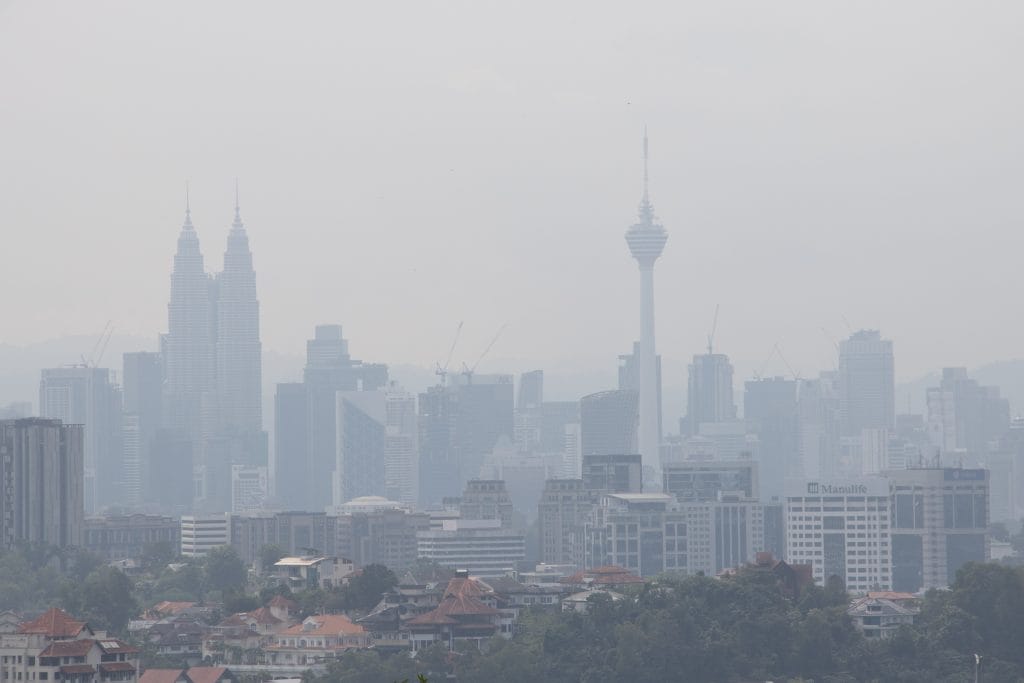
Haze occurs when large amounts of fine particles and other pollutants become suspended in the atmosphere, reducing visibility and affecting air quality.
In Southeast Asia, haze is frequently associated with vegetation, forest and peatland fires. Weather conditions can cause smoke and pollutants to travel across regions, making haze a concern beyond the location where the fires originally occur.
The severity can change quickly.
In August and September 2026, several areas across Malaysia and neighbouring countries experienced significant deterioration in air quality, with some locations reaching hazardous Air Pollutant Index (API) levels. In Sarawak, Serian recorded an API of 475 in late August.
This matters because the API is not simply measuring how blurry the sky looks. It reflects the concentration of major air pollutants in the atmosphere.
Haze is therefore an air-quality problem, not just a visibility problem.
What Is Inside Haze?
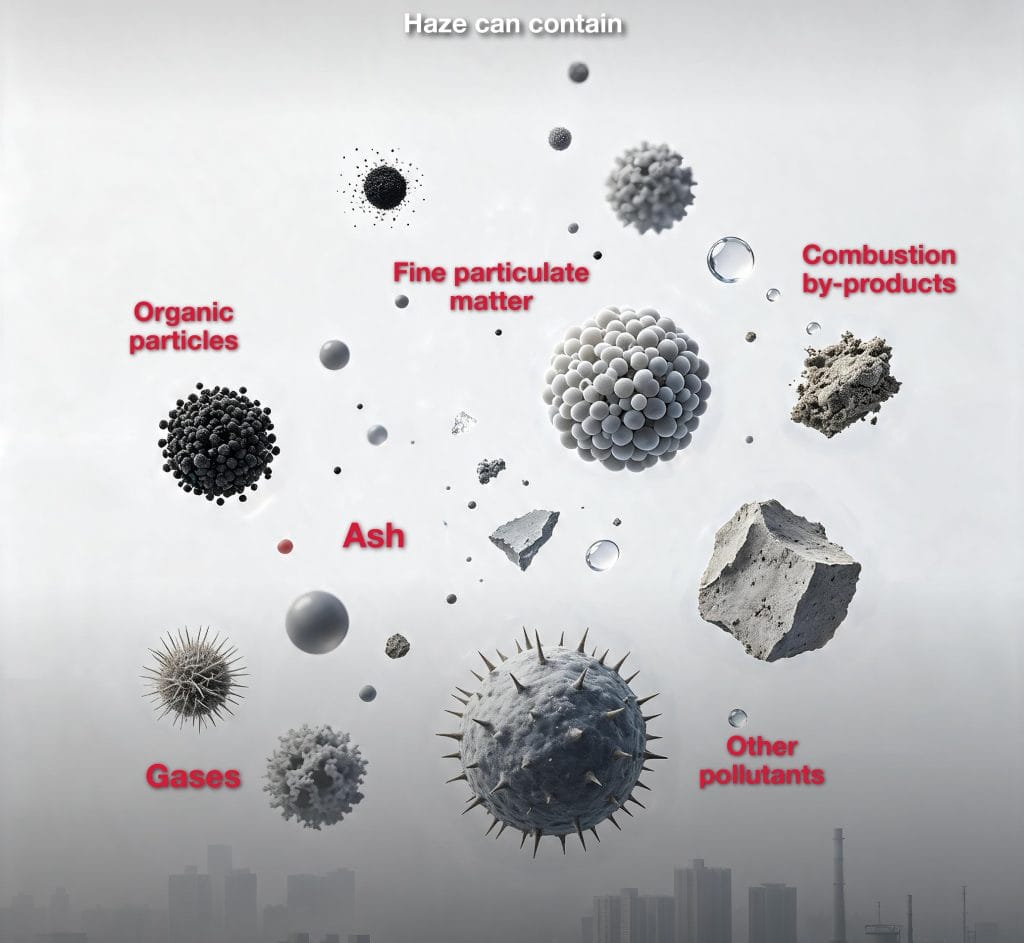
Haze is not made up of one single pollutant.
Depending on its source, it can contain a mixture of:
Fine particulate matter
Particles such as PM2.5 and PM10 can remain suspended in the air and are among the key pollutants associated with haze.
Smoke and ash
Fires can release smoke, ash and other particles into the atmosphere.
Combustion by-products
Burning vegetation and other materials can produce additional pollutants during combustion.
Gases and organic compounds
Haze can also contain gaseous pollutants and organic compounds that cannot simply be captured by conventional particulate filters.
Not everything in haze is a particle.
A particulate filter is designed to capture particles. Gaseous contaminants require a different method of control, such as appropriately selected gas-phase filtration media.
What Makes Haze Dangerous?
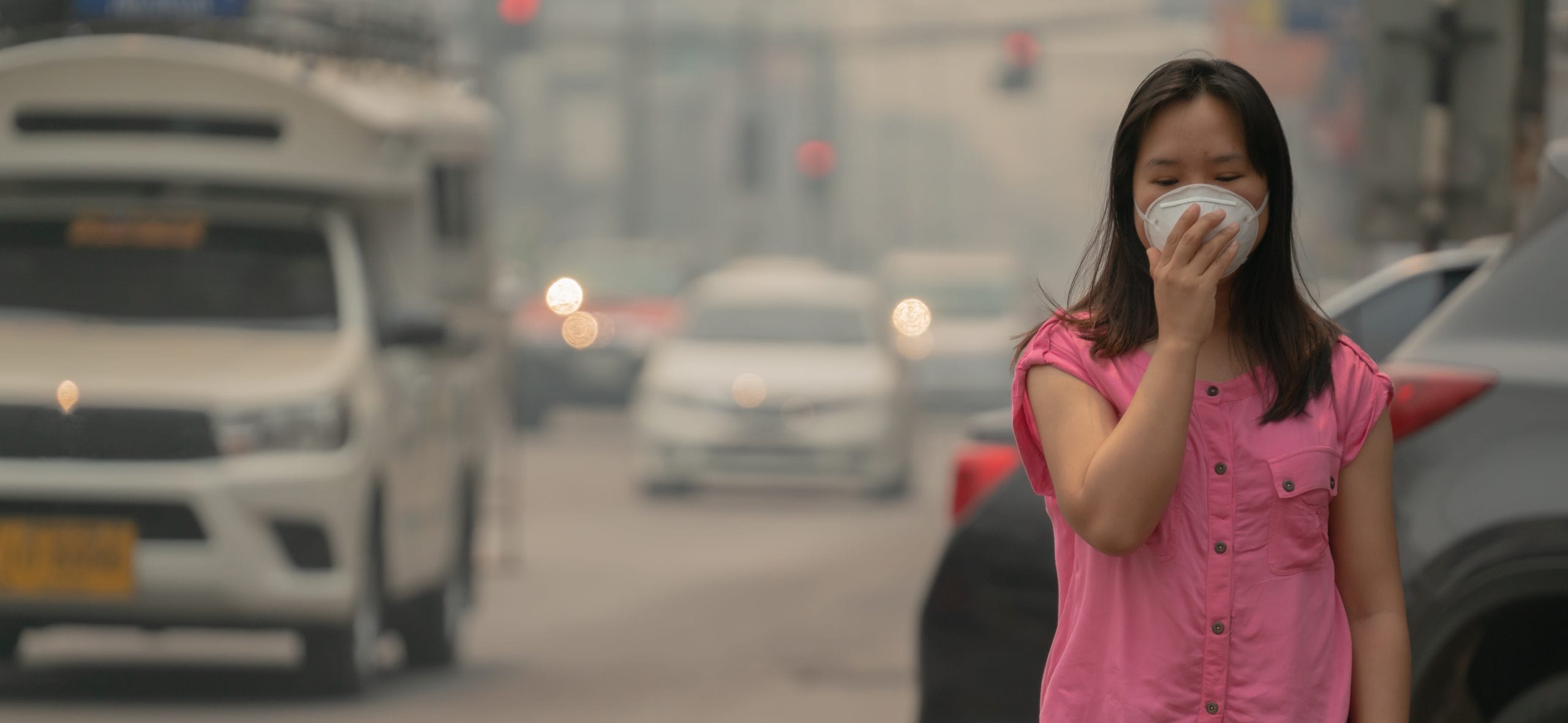
The danger of haze goes beyond discomfort or reduced visibility.
Fine particulate matter can penetrate deep into the respiratory system. Exposure to air pollution is associated with respiratory and cardiovascular health effects, while people with existing respiratory conditions, children and older adults can be particularly vulnerable.
And the effects can become very real during severe haze events.
In Indonesia’s current 2026 fire season, more than 113,000 people had been reported with respiratory illnesses linked to the fires, more than double the figure recorded just one week earlier.
For industrial facilities, there is another consideration.
The concern is not only what haze can do to people, but also what airborne contaminants can do to the environment inside a facility.
Sensitive processes, controlled environments and equipment may require tighter control of airborne contaminants. Certain gaseous contaminants can also contribute to odour or, under the right conditions, corrosion-related concerns.
This is why haze should not simply be viewed as an outdoor environmental issue.
If contaminated outdoor air enters your building, it becomes an indoor air quality issue too.
How Do You Ensure the Air You’re Breathing Is Free From Haze?

When haze levels rise, reducing exposure starts with simple measures that limit the amount of polluted outdoor air you breathe.
Keep Windows and Doors Closed
When outdoor air quality is poor, keeping windows and doors closed can help reduce the amount of haze entering indoor spaces.
Where possible, avoid leaving doors or windows open for extended periods, particularly during periods when outdoor pollution levels are at their highest.
Stay Indoors When Haze Is Severe
When air quality reaches unhealthy levels, consider staying indoors and limiting unnecessary exposure to outdoor air.
If you exercise regularly, consider moving your activities indoors during severe haze conditions. Indoor walking, gym sessions or other indoor sports can help reduce direct exposure to polluted outdoor air.
Limit Prolonged Outdoor Activities
If you need to be outdoors, try to keep your exposure time as short as reasonably possible, especially when haze levels are elevated.
People who are more sensitive to air pollution should take additional care and follow local health advisories when air quality deteriorates.
Wear a Mask When Necessary
A properly fitted mask can provide additional protection when outdoor exposure cannot be avoided.
For particulate pollution, respirators such as N95-type masks are designed to filter airborne particles and can help reduce inhalation of fine particulate matter when worn correctly.
However, masks do not provide complete protection against every pollutant found in haze, particularly gaseous contaminants. They should therefore be considered one part of an overall exposure-reduction strategy.
Don’t Forget the Air Filters
Staying indoors does not automatically mean you are breathing haze-free air.
Buildings still require ventilation, and outdoor air can enter through HVAC systems. This makes the condition and performance of your air filters an important part of managing indoor air quality during haze conditions.
Check filters regularly for loading and ensure they are replaced or maintained according to the system’s requirements. For facilities with higher air-quality requirements, it is also important to ensure that the filtration system is appropriately selected for the types of contaminants that need to be controlled.
Because staying indoors only helps when the air indoors is properly managed.
Also Read: Airflow Shapes Comfort From the First Step In
Clean Air Starts With the Right Filtration
Haze is not simply a grey sky.
Behind the reduced visibility is a mixture of fine particles, smoke, ash, combustion by-products, gases and other pollutants.
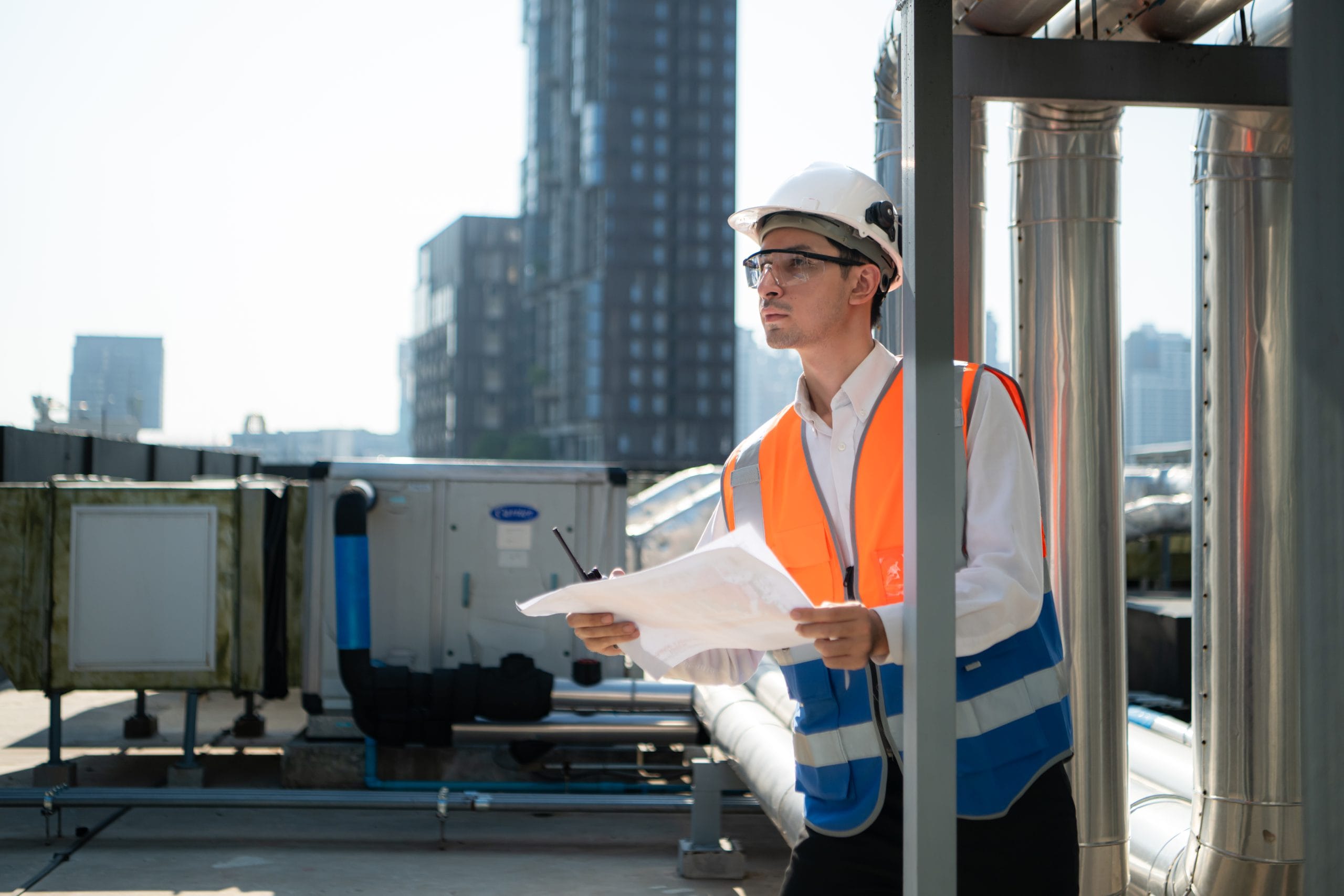
And once that outdoor air enters a building, the responsibility shifts to the building’s ventilation and filtration system.
For facilities that need to protect people, processes and equipment, haze is a reminder that air filtration should never be an afterthought.
Know what is in the air.
Know what your filters are capturing.
And make sure your filtration system is ready before the haze enters your building.
Read More: Simple Ways to Maintain Good IAQ During Family Gatherings | AAF