years
years

What Is ISO Cleanroom Classification?
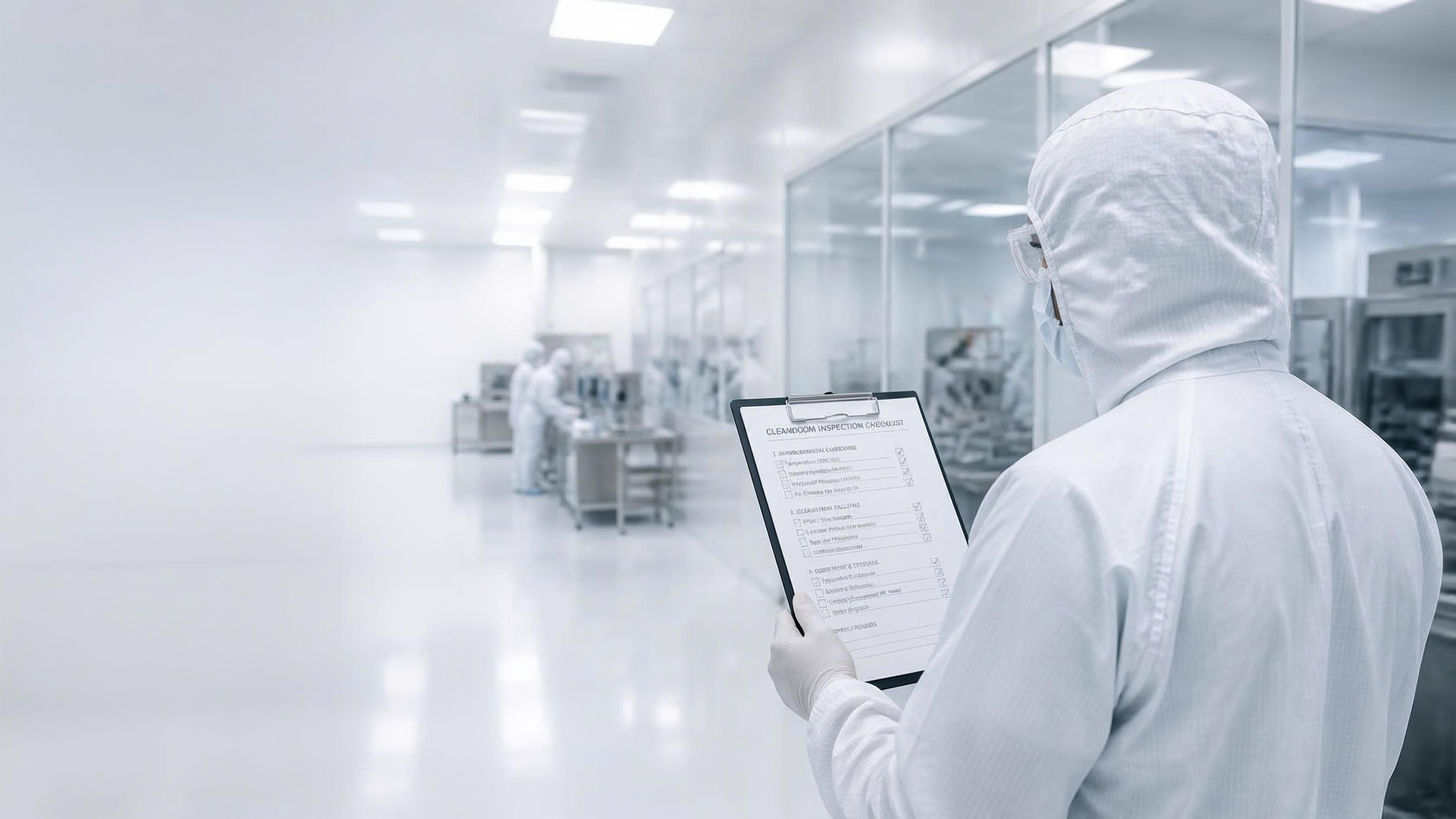
Cleanrooms are designed to minimise airborne particulate contamination in environments where even microscopic particles can affect product quality, process reliability, or personnel safety. Industries such as semiconductor manufacturing, pharmaceuticals, biotechnology, medical devices, and precision engineering all rely on cleanrooms to maintain tightly controlled conditions.
While achieving a certified cleanroom is a significant milestone, maintaining that level of cleanliness every day is a much greater challenge. A cleanroom is a dynamic environment where people move, equipment operates, and materials are constantly transferred. Keeping airborne particle levels consistently within the specified ISO classification limits requires far more than routine cleaning—it requires continuous contamination control.
So, what exactly is ISO cleanroom classification, and why is it so important to understand it?
What Is ISO Cleanroom Classification and ISO 14644-1?
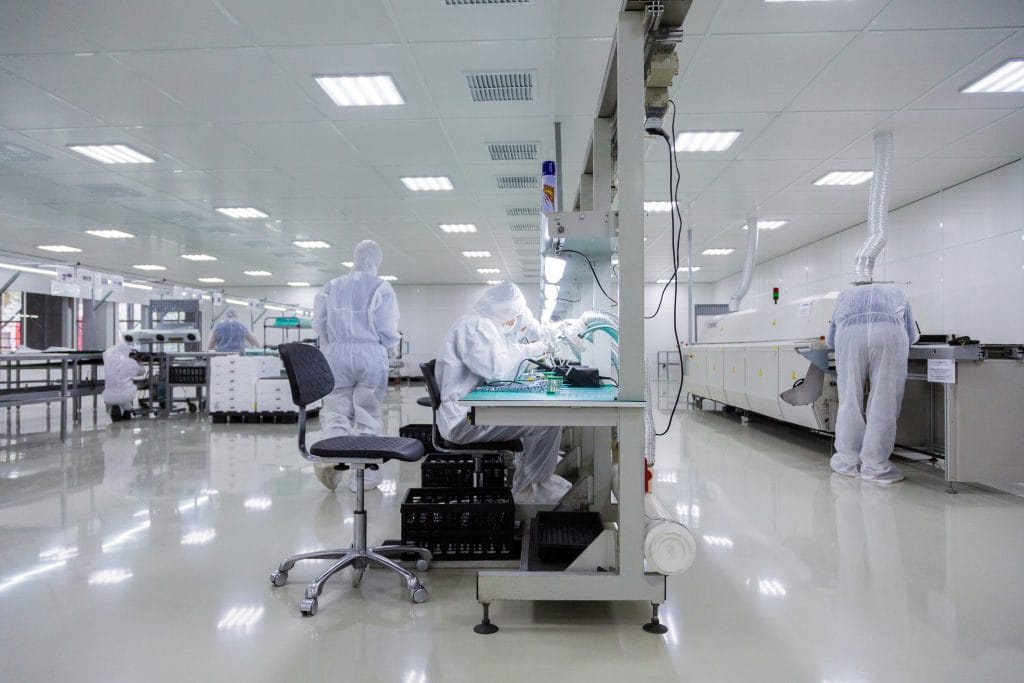
ISO cleanroom classifications are defined by ISO 14644-1, the internationally recognised standard that specifies how cleanrooms are classified according to airborne particle concentration.
The standard defines the maximum allowable concentration of particles of different sizes within a cubic metre of air. During cleanroom qualification, specialised particle counters are used to measure airborne particle levels throughout the controlled environment. If the measured values remain within the specified limits, the cleanroom can be classified accordingly.
ISO 14644-1 provides a globally consistent framework that allows cleanrooms across different industries and countries to be evaluated using the same methodology. This consistency is particularly important for organisations operating in regulated industries or supplying products to international markets.
Why Is ISO Classification Important?

ISO classification is more than a certification requirement, it provides confidence that the manufacturing environment is capable of supporting consistent product quality.
In many cleanroom applications (like operating theatres), airborne contamination can’t be seen with the human eye, yet even a single microscopic particle may interfere with a critical manufacturing process. Depending on the industry, contamination can contribute to product defects, lower production yields, equipment failures, or regulatory non-compliance.
Maintaining the required ISO classification helps manufacturers reduce contamination risks, improve process consistency, and demonstrate that their cleanroom environment meets recognised international standards.
As manufacturing technologies continue to become more precise, maintaining stable cleanroom conditions becomes increasingly important.
Looking Ahead

ISO cleanroom classification provides the foundation for maintaining controlled manufacturing environments where airborne contamination must be kept within strict limits. Through ISO 14644-1, organisations have a globally recognised standard for classifying cleanrooms based on airborne particle concentration, helping ensure consistency, product quality, and regulatory compliance across a wide range of industries.
However, obtaining an ISO classification is only the beginning. Maintaining that classification throughout daily operations requires continuous control over airborne particles and a thorough understanding of how contamination can affect cleanroom performance. As manufacturing processes become increasingly precise, consistently meeting ISO cleanroom requirements becomes an even greater operational challenge.
But if cleanrooms are specifically engineered to minimise contamination, why do so many facilities still find it difficult to maintain their ISO classification?
In our next article, we’ll explore the common challenges behind maintaining ISO cleanroom classifications and reveal why some of the biggest sources of contamination may already be inside the cleanroom itself.
Read More: Why Are HEPA Filters Considered as Medical Grade Filters?