years
years


Why Do So Many Facilities Find It Difficult to Maintain Their ISO Cleanroom Classification?
Achieving an ISO cleanroom classification is no easy feat but maintaining it is an even greater challenge.
At first glance, it may seem straightforward. Install a high-performance air filtration system, implement strict gowning procedures, control access to the cleanroom, and the environment should remain within specification. However, if it were really that simple, maintaining ISO cleanroom classifications wouldn’t continue to be a challenge for manufacturers across industries.
So why do so many facilities find it difficult to maintain their ISO cleanroom classification?
Maintaining an ISO Classification Is an Ongoing Commitment
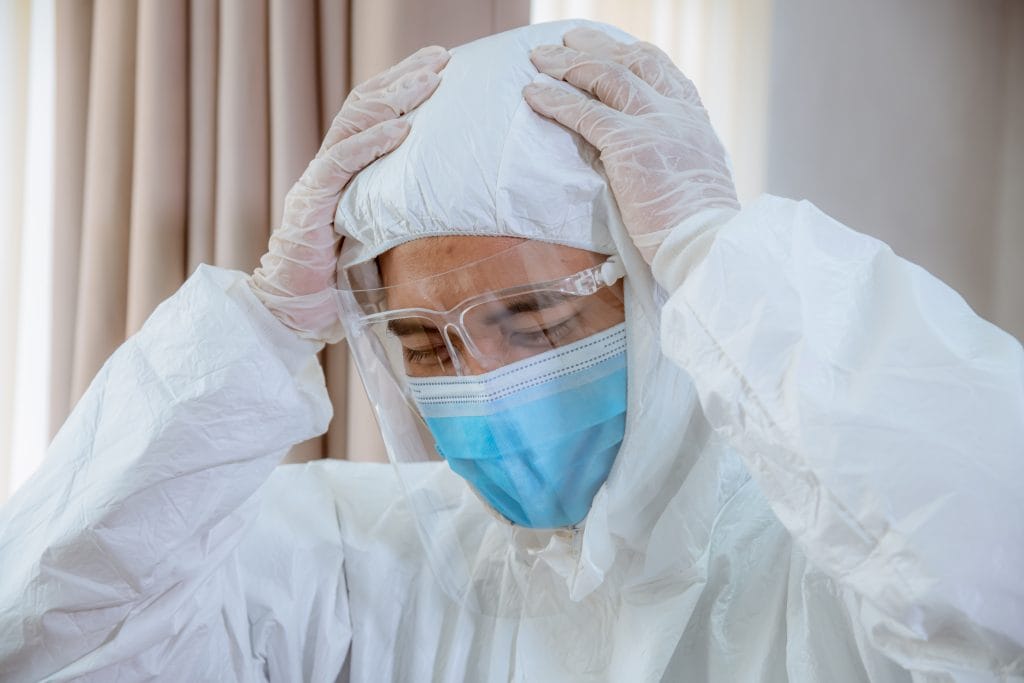
An ISO cleanroom classification is not a one-time achievement. It reflects a cleanroom’s ability to comply with the airborne particle concentration limits specified in ISO 14644 during classification testing. To remain compliant, those conditions must be consistently maintained during normal operation, not just during certification or periodic requalification.
As cleanroom classifications become more stringent, the allowable number of airborne particles decreases significantly. This leaves very little room for variation, meaning even minor changes in operating conditions can affect whether a cleanroom continues to meet its required classification.
For this reason, maintaining ISO classification requires continuous attention rather than occasional intervention.
Maintaining ISO Classification Requires a Complete Contamination Control Strategy
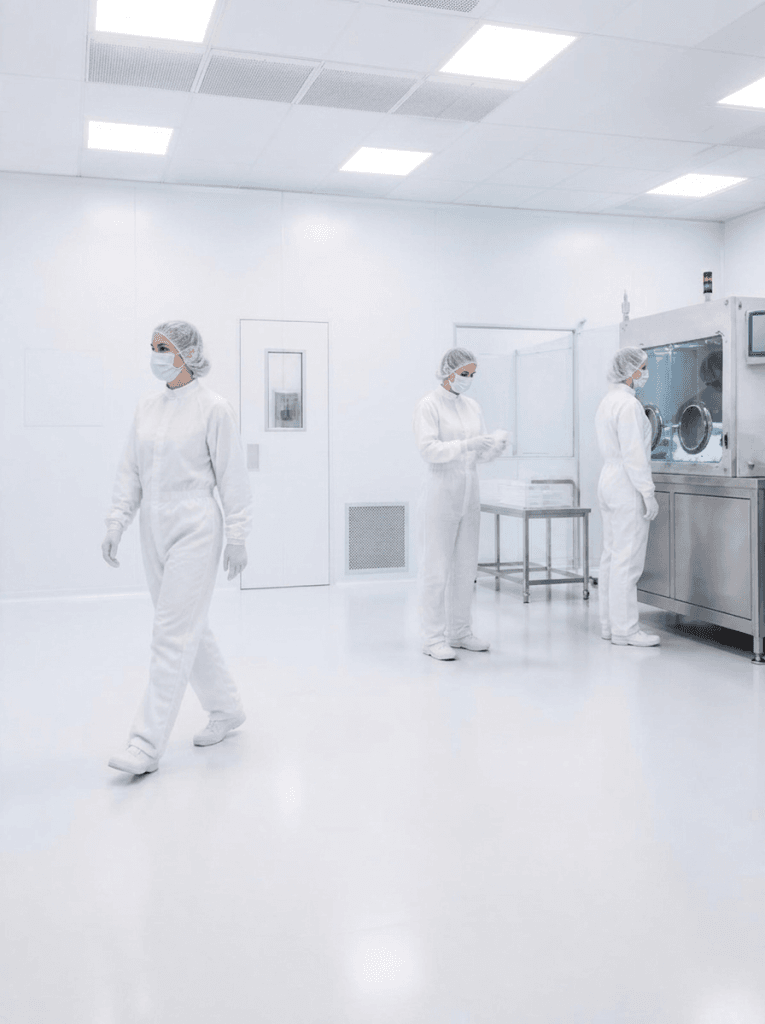
Successfully maintaining an ISO-classified cleanroom depends on a combination of engineering controls, operational procedures, and disciplined work practices.
Personnel Operations
People remain one of the largest contributors to airborne contamination inside a cleanroom. Proper gowning procedures, controlled movement, hygiene practices, and operator training all help minimise the particles released during routine activities.
Material and Item Transfer
Every item entering a cleanroom has the potential to introduce contamination. Components, packaging materials, production tools, and documentation should follow controlled transfer procedures, often using pass boxes or dedicated transfer areas, to minimise contamination entering the controlled environment.
Airflow Management
Cleanroom airflow is engineered to dilute and transport airborne particles away from critical areas while maintaining controlled airflow patterns that minimise particle deposition on products and equipment. Maintaining consistent airflow patterns and avoiding unnecessary turbulence are essential for supporting stable cleanroom conditions.
Air Filtration
High-efficiency air filtration continuously removes airborne particles from the cleanroom environment. Depending on the required cleanliness level and application, HEPA or ULPA filtration may be used to achieve the specified airborne particle concentration.
Cleaning and Environmental Monitoring
Routine cleaning removes particles that have settled on surfaces before they become airborne again, while environmental monitoring verifies that airborne particle concentrations remain within acceptable limits. Together, these activities provide valuable insight into cleanroom performance and help identify potential issues before they affect compliance.
Every Detail Matters

Unlike many manufacturing environments, maintaining a cleanroom is about controlling countless small variables rather than solving one major problem.
A door left open for too long, unnecessary personnel movement, an improperly transferred material, or a disruption in airflow may each have only a small impact on their own. However, when these factors combine, they can increase airborne particle concentrations enough to affect the cleanroom’s ISO classification.
This is why successful cleanroom operations rely on consistency, discipline, and well-established contamination control procedures across every aspect of the facility.
Read More: The Critical Role of Air Quality in Healthcare Facilities | AAF